Keeping the Backcountry Wild and Pristine
What is Leave No Trace?
How many times have we seen tourists trample the fragile tundra in Rocky Mountain National Park, even though signs are posted everywhere? Personally, I’ve lost count.
Being a Leave No Trace aware photographer is centered at the core of my business. I love hiking and enjoying the outdoors, and I never want to be the reason for that beauty to be compromised for those that visit after me.
I do wildlife photography for fun, and I frequently visit Yellowstone and Grand Teton National Parks. These habitats are actively being threatened, so it is critical we do our part to keep the wildlife safe. For bears, this means preserving the large acreage they need to survive. If we destroy their lands, we threaten their lives.
These reasons are why I incorporated Leave No Trace principles. Like Smokey the Bear said, “only we can prevent wildfires.” Similarly…
We are responsible for keeping the backcountry untouched through meaningful practices as photographers and clients.
Leave No Trace
·
Protect Our Wildlife
·
Keep the Backcountry Wild
·
Leave No Trace · Protect Our Wildlife · Keep the Backcountry Wild ·




Seven Core Rules & a Few Extras…
-
© Leave No Trace: www.LNT.org
-
This was counter-intuitive for me at first, but it makes sense when you think about it. Walking in a straight line forms new paths. We want to disperse and walk through pristine areas spread out to avoid this.
© Leave No Trace: www.LNT.org
-
Packed it in? Pack it out!
© Leave No Trace: www.LNT.org
-
Item description
© Leave No Trace: www.LNT.org
-
Item description
© Leave No Trace: www.LNT.org
-
Item description
© Leave No Trace: www.LNT.org
-
Item description
© Leave No Trace: www.LNT.org
-
Prevents dangerous shattering, reducing heavy waste, and protecting wildlife and people from injury.
The Story of the Bear Named, “Spirit” in Grand Teton National Park
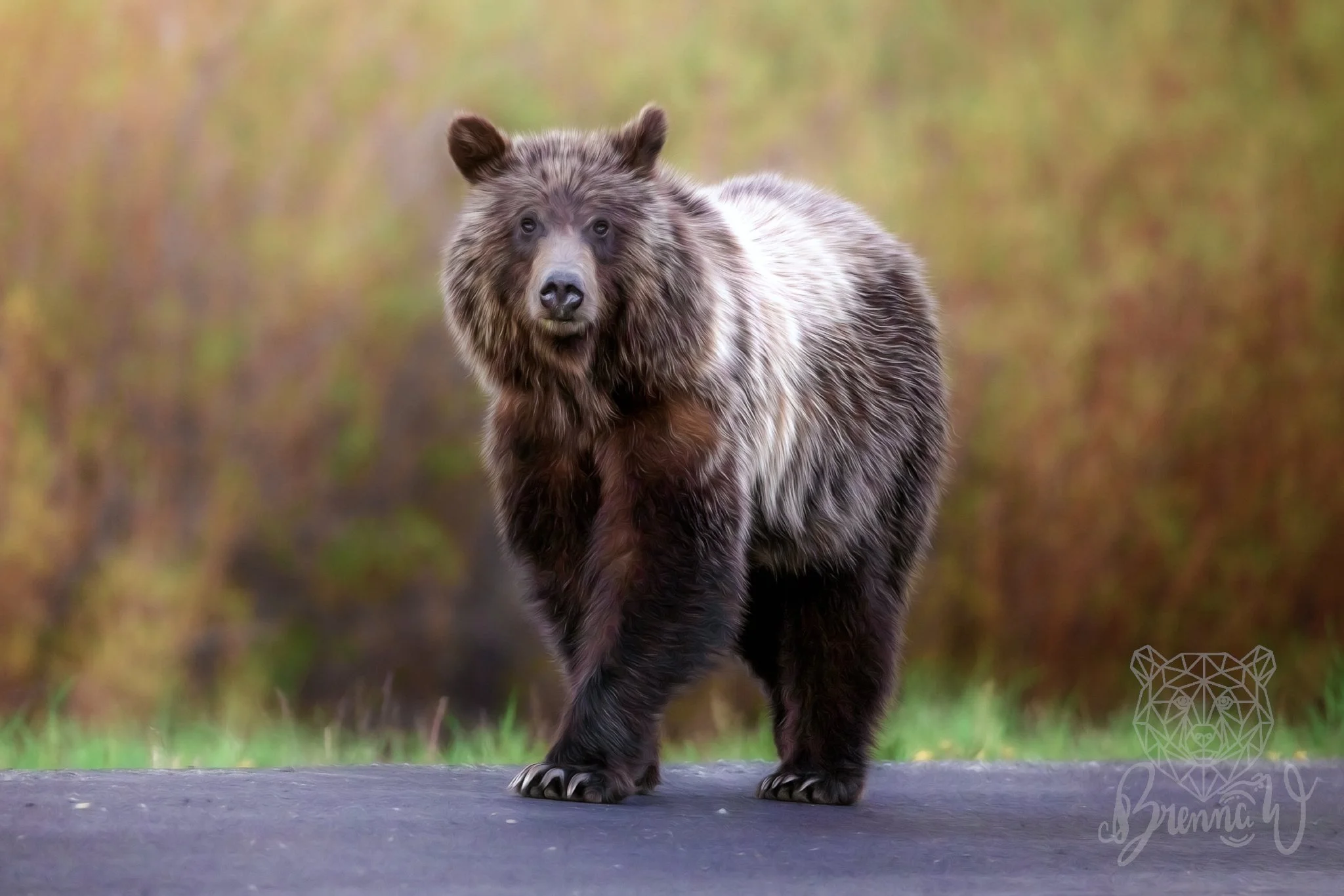
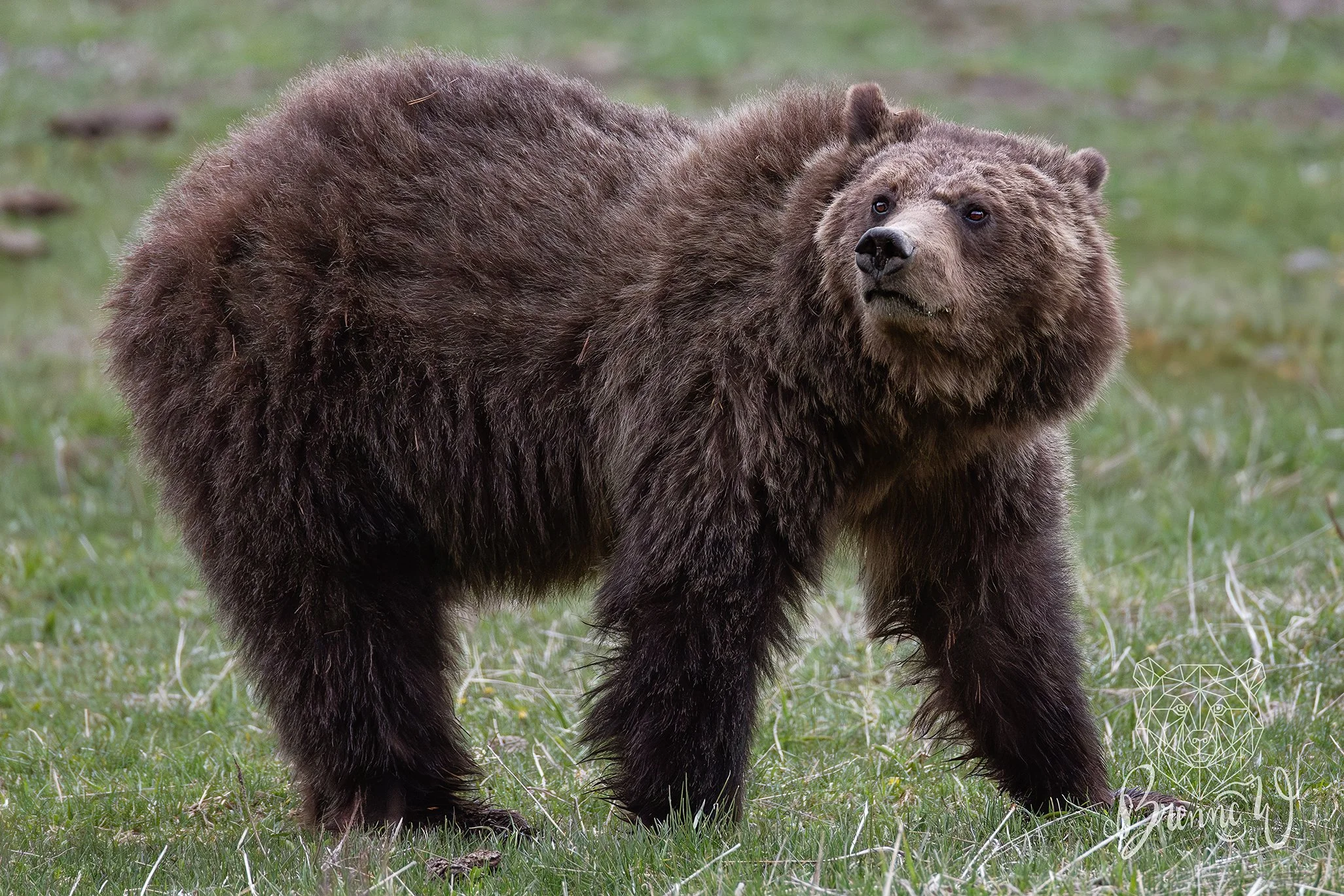
It should first be noted that this image has not been officially confirmed by the Interagency Grizzly Bear Study Team, but another photographer took photos of the same bear and has all but confirmed this is in fact Spirit (she is somewhat of a local wildlife expert in the Grand Teton area, and knows all of the bears). So, I believe this is Spirit, and I will address them as such. The only way to confirm this bear is who everyone believes it is, is to tranquilize and take a DNA sample. I took this photo of Spirit the same month as the other wildlife photographer.
In May 2025, I visited Grand Teton National Park and was looking for bears to photograph. I caught this bear coming out of the willows close to the bridge outside of Moran. A car drove by, and this bear FLEW back into the brush. I immediately pulled over, turned my car off, and got my camera ready. I knew it was going to come back out.
If you’ve been to Yellowstone or Grand Teton National Parks, then you know that the bears are accustomed to people and vehicles. This is what stuck out to me about this bear. I've seen well over 30 to 40 bears in Yellowstone and Teton, but this was the only one I've seen show so much visible fear of vehicles. This was my first and most significant clue.
Spirit was the last surviving cub of Grizzly 399, who was tragically struck by a car and killed. Spirit was with her at the time of the incident, hasn't been seen since the accident in October 2024. At the time, Spirit was young, too young to go off on their own in normal circumstances. They retreated into the backcountry immediately following the incident.
As I mentioned, this bear was unusually nervous. It reminded me of the movie Finding Nemo where Marlin and Nemo back in and out of the coral on the way to Nemo’s first day of school: "First, we check to see that the coast is clear. We go out and back in. And then we go out, and back in. And then one more time out and back in..."
The second clue was that this bear was in that juvenile to adult transition phase, meaning this bear was at the same age as Spirit.
I think the story of Spirit is a good example of how we impact wildlife and nature. Due to humans, Spirit had to separate from its mother early and developed an unusual fear of vehicles due to that accident. This bear is forever changed because of human interaction.
This is but one example that illustrates why Leave No Trace principles are so important. They cannot speak for themselves, so we have to advocate for them by protecting their habitats and livelihood.
